
Keep It or Kick It? Upholstery Edition
Recover or Replace? How to Decide What to Do with Your Upholstered Furniture
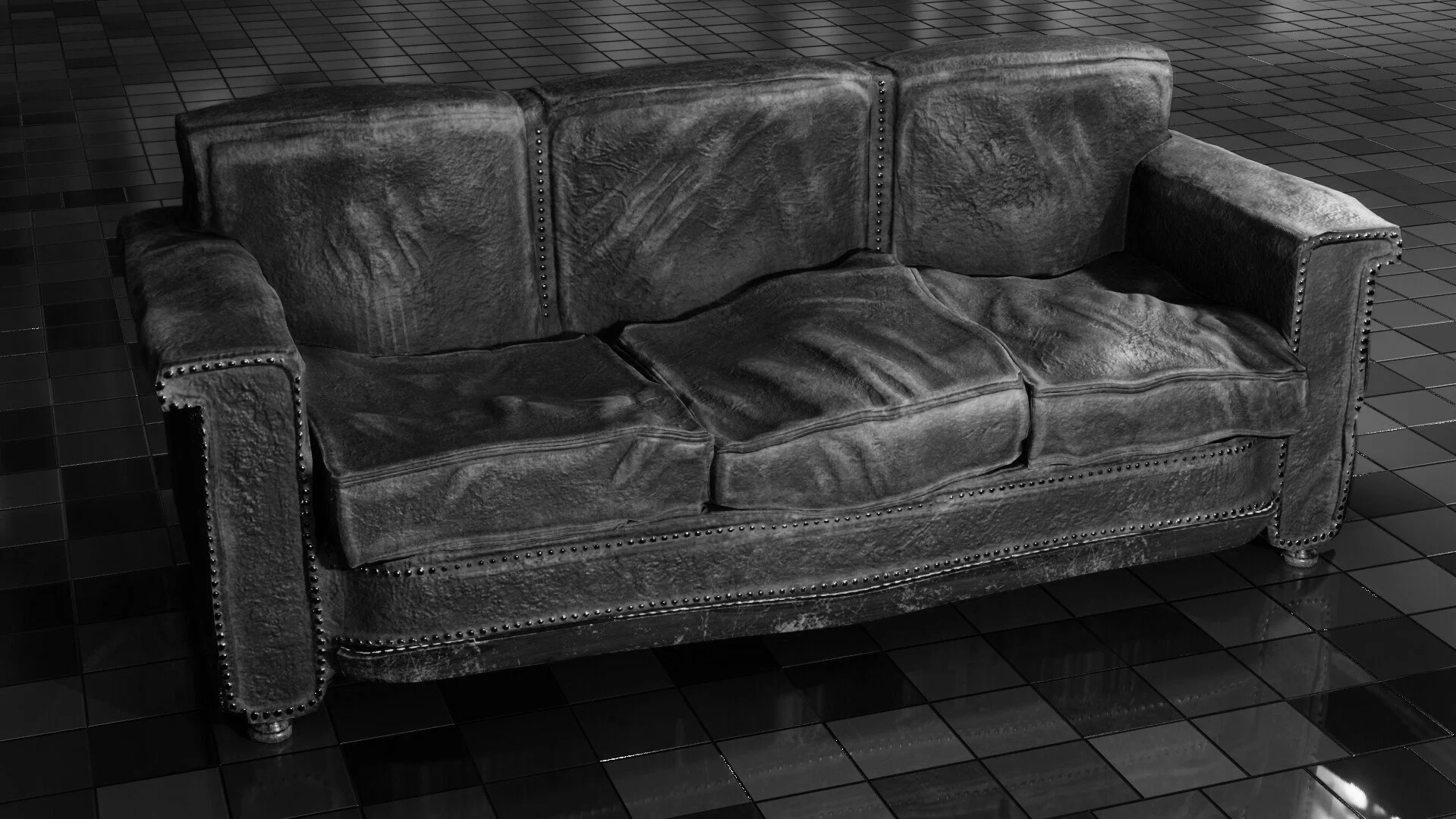
If you're staring at your sagging sofa or frayed armchair and wondering whether it’s time to say goodbye or give it a second life, you’re not alone. Deciding whether to recover or replace a piece of upholstered furniture depends on several factors—from sentimental value and quality to practicality and cost.
Here’s a guide to help you make the call:
When to Replace Upholstery
Sometimes, it’s just not worth the effort to recover an old piece. Here’s when you might want to opt for something new:
1. The Piece Isn’t High Quality
If your furniture was inexpensive to begin with—think big-box store buys or mass-produced models—it may not be worth the investment of recovering. Cheap framing materials or low-density foam mean the piece won’t last much longer even if you reupholster it.
2. The Frame Is Broken or Damaged
If the frame is cracked, warped, or otherwise structurally unsound, recovering becomes more of a rebuild. At that point, replacement is often more cost-effective and less time-consuming.
When to Recover Upholstery
There are some situations where reupholstering is not only worth it—it’s the better choice.
1. The Piece Is Good Quality
If you have a well-built frame—solid hardwood construction, for example—that’s structurally sound, recovering can give you a “like-new” piece with a completely custom look. Older furniture, especially from mid-century or earlier, was often made to last.
2. It’s a Family Heirloom or Sentimental Piece
Furniture that’s been passed down through generations or holds emotional value is often worth saving. With a new fabric and updated cushioning, you can preserve its history while giving it new life.
3. Timing or Cost to Replace Is a Barrier
Custom or quality furniture often comes with long lead times—sometimes several months, especially in recent years due to supply chain issues or tariffs. If you're trying to furnish a space quickly or avoid escalating costs, reupholstering an existing piece can be a smart alternative.
Additional Considerations
Style: If the shape and style of the piece still work with your home, recovering allows you to update the fabric and trim to suit your current taste.
Sustainability: Recovering furniture reduces waste and supports sustainable living practices.
Budget: While recovering can sometimes cost as much as buying new, the quality of the finished piece can far exceed a new purchase at the same price point.
In Conclusion
When deciding whether to recover or replace your upholstered furniture, ask yourself: Is it well-made? Do I love it? Would replacing it take too long or cost too much?
If the answer to any of these is “yes,” recovering might be your best option. But if the piece lacks quality, comfort, or sentimental value—and the frame is shot—it’s probably time to say farewell and invest in something new.
Need help deciding? Talk to a trusted upholsterer or interior designer. They can help you evaluate the condition of your piece and give you a realistic estimate so you can make the right choice for your home.
